Complexity as resistance against fascism
Many of the ways that these combinations of tools discussed above can be used to resist top-down pressure and help networks adapt are also vulnerable to attacks from malicious users. The most obvious example of this is the use of swarm tactics by far-right, fascist, and white supremacist networks. Some of the ways they do this are things like collective mobilization for doxxing or stigmergically organizing and instigating fascist violence. These represent collective attack vectors, either from large actors like states or corporations or just by societies (especially the marginalized). More often than not, it is some combination of many such factors all contributing to eventual difficulties.
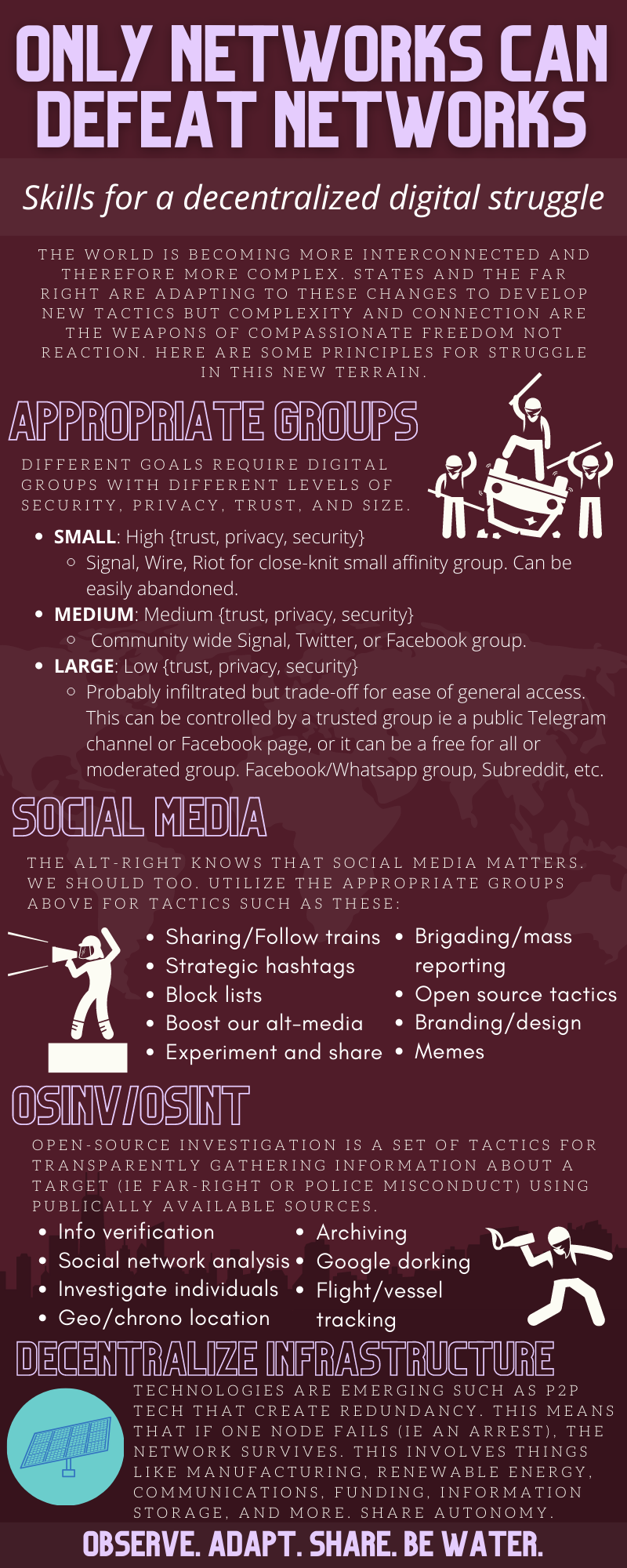
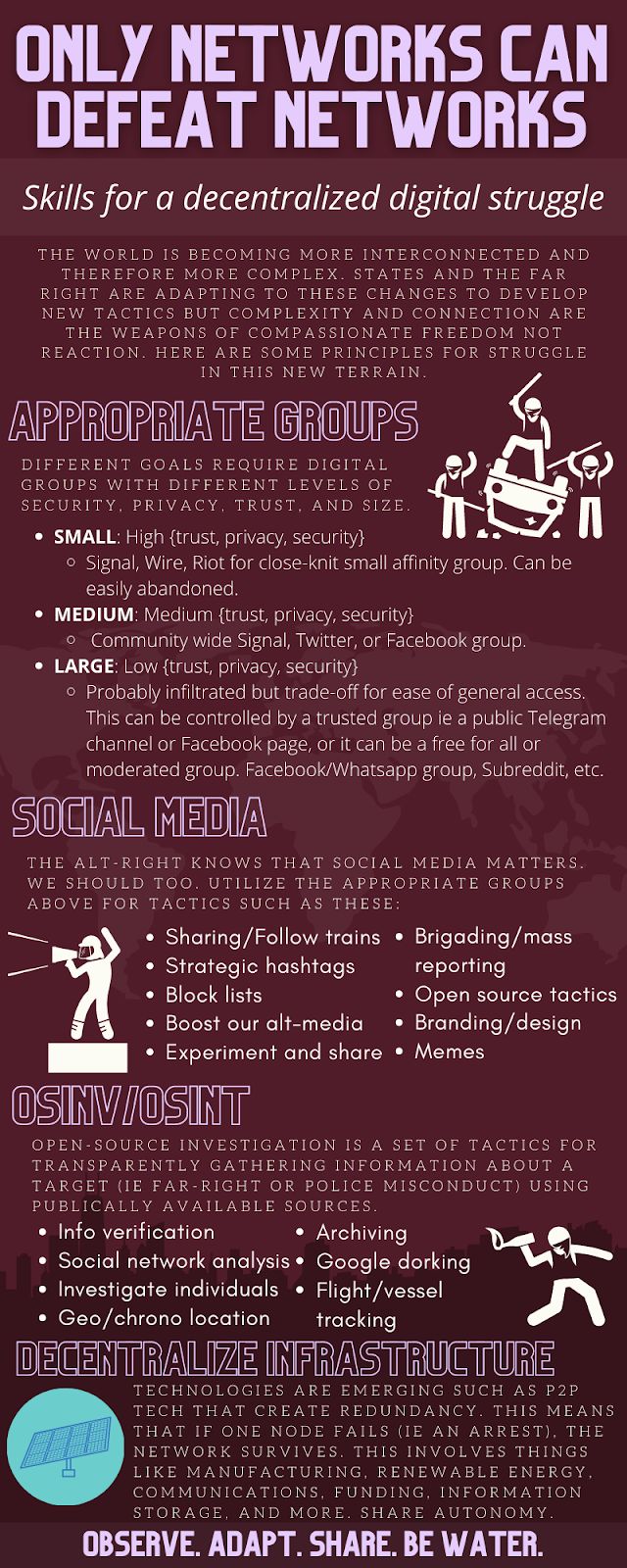
However, socially minded networks can, to some extent, also use these same social and technological tools to pivot and resist even phenomena such as fascist attacks. The following infographic, entitled “It Takes a Network to Defeat a Network”, explains some of the key ways that networks can resist (high quality version).
[Figure reproduced from PDF p38.]
There are a few general categories of “decentralized digital struggle.” There’s a need for different sizes of groups, with different levels of trust, privacy, and security. There are also some general tactics for digital resistance through social media. Some of the key examples are as follows:
Retweet or Facebook sharing trains: This is pretty self-explanatory, but this is just a way to artificially boost the content of trusted users or organizations. Make America Great Again Facebook groups are extremely skilled at this.
Strategic use of hashtags: Hashtag campaigns can be collectively developed or centrally administered to influence or introduce narratives.
Follow-trains and block-lists: Groups like these can be used to decentrally inflate follower counts of important accounts or to just more tightly interconnect existing online networks.
Support trusted alternative media outlets: Utilize these strategies to combat media monopolies and force more mainstream media to publicly address the realities of more radical organizers and people on the ground. This can also be useful for drowning out competitive fascist, conspiratorial, or disinformation alternative media outlets. Conspiratorial outlets such as Global Research, Zerohedge, and The Grayzone utilize a tactic called ‘splintering’1 wherein a wide variety of blogs syndicate or minorly adjust and then republish each other's articles to create a sense of consensus and leverage a story up into larger media outlets. Although this is unethical for disinformation purposes, it is an avenue of struggle for legitimate alternative media and can be coupled with these social media strategies. Shoutout to organizations like Unicorn Riot for staying afloat and on top of things all these years later.
Dogpiling, mass-reporting, and brigading: These groups can help to push-back against attempts to brigade marginalized people by fascist groups, to attack fascist information warfare, or simply to more effectively promote radical counter-narratives in the mainstream in a way that gives the appearance of a consensus. Further, as the political Right does, a large Telegram group or the like can be used to coordinate efforts to mass report or otherwise harass dangerous actors:

[Figure reproduced from PDF p39.]
Efforts to harass and mass-report an antifascist twitter account on Telegram.
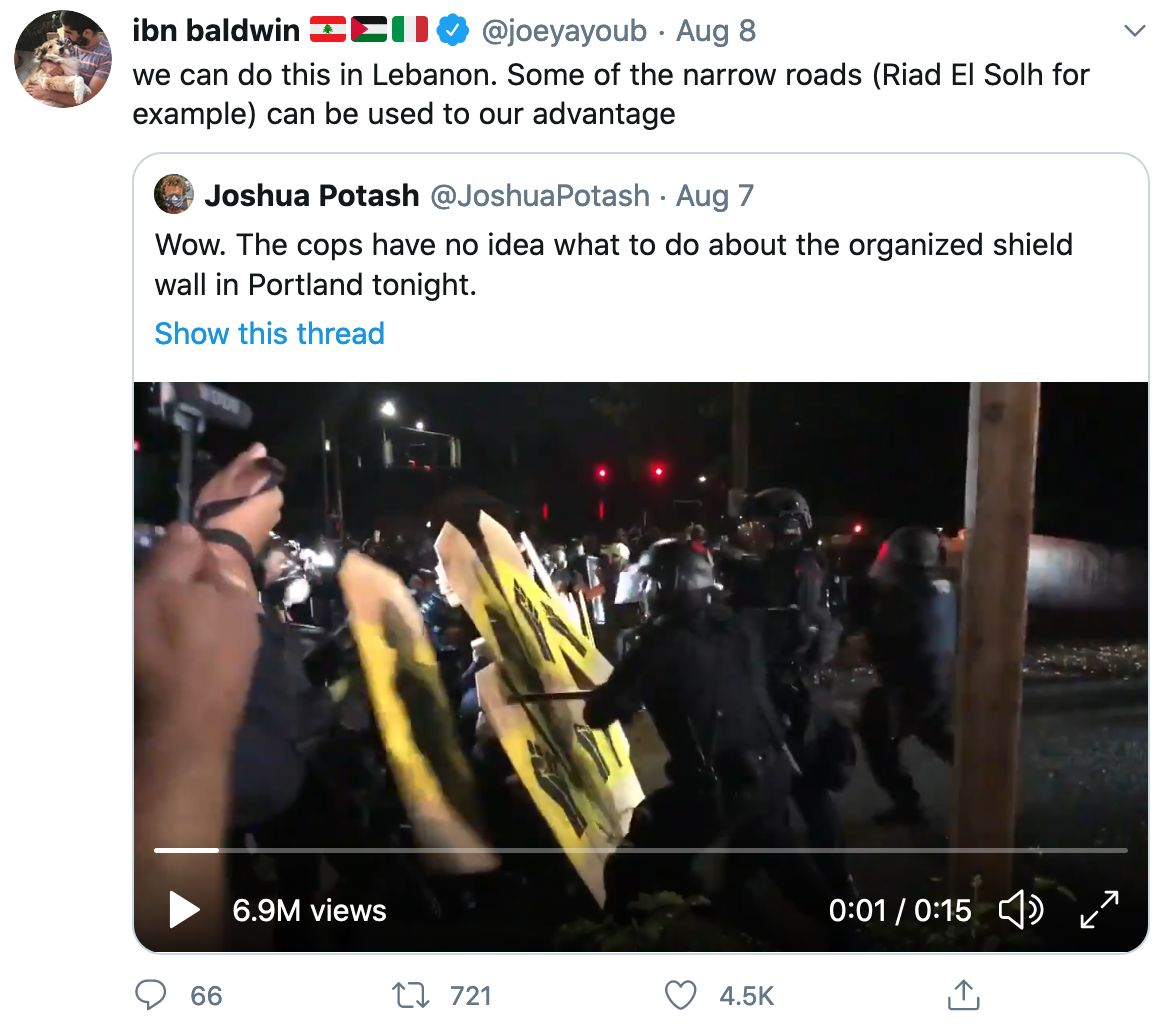
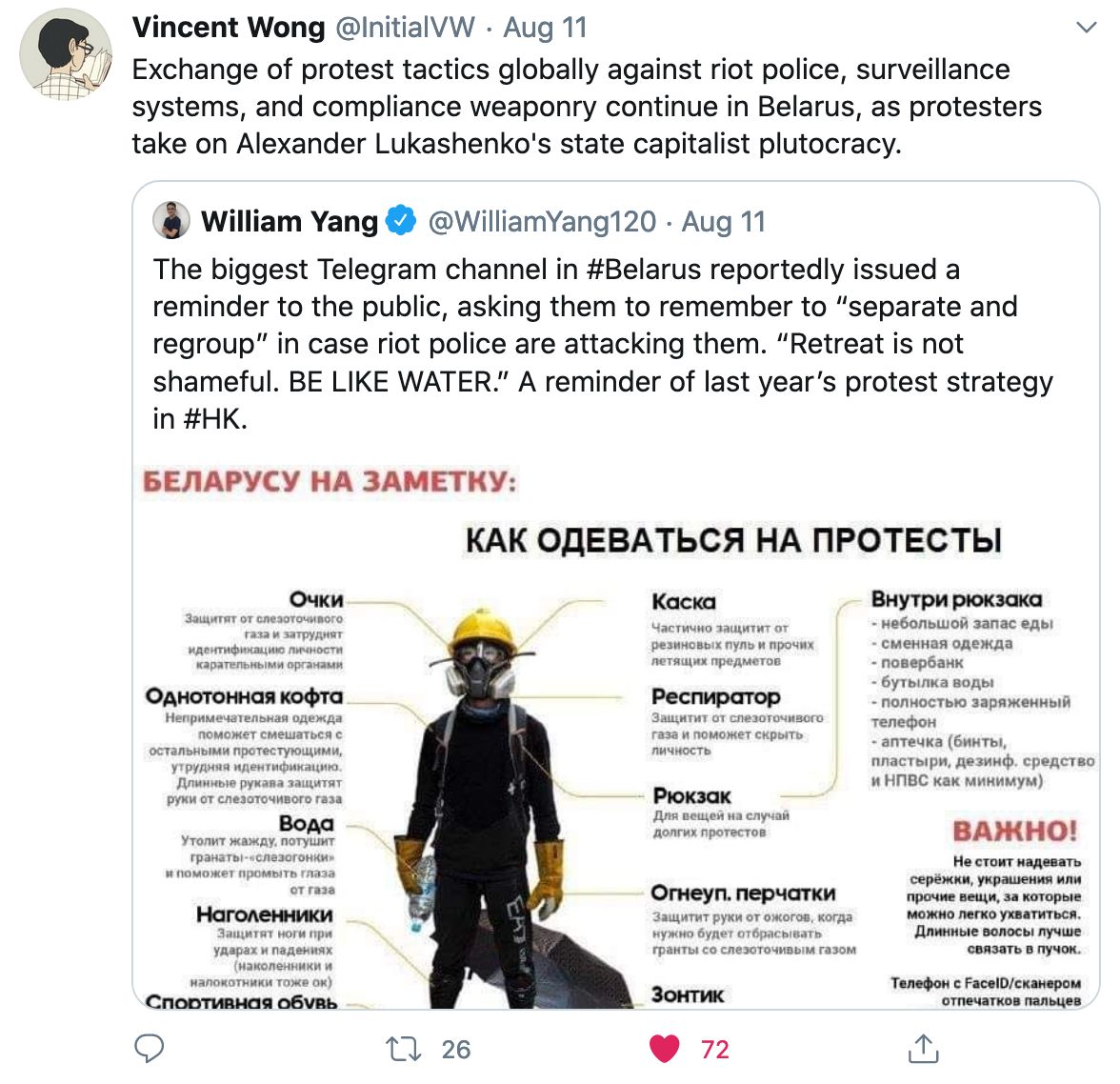
Open-source insurrection: These types of strategies have other semi-intentional by-products of better integrating the strategies, art, and media of otherwise disconnected global movements. Examples of riot techniques spreading from Hong Kong to Portland or specific protests spreading from Chile to San Francisco abound and culminate to form a kind of open-source protest manual. This can also be used to share specific construction and formation techniques such as in this famous zine: Bodyhammer: Tactics and Self-Defense for the Modern Protestor which breaks down the basics of things like shield walls and shield construction techniques in reproducible ways.2
[Figure reproduced from PDF p40.]
[Figure reproduced from PDF p40.]
Information sharing via Twitter from Portland to Lebanon and from Hong Kong to Belarus
Branding: Obviously activists hate the concept and practice of branding (for many good reasons!) but the basic principles of things like strategic messaging, catchy graphics/videos, and basic search-engine optimization are useful to a wide range of efforts. The far-right intuitively accepts this, as evidenced in groups like Patriot Front and Identity Evropa, while the left tends to throw the baby out with the bath water. Within this set of tactics is issues of how to communicate messages which is addressed by some orgs like the Anarchist Agency and other effectively branded movement outlets like It’s Going Down and Crimethinc. Glossy and flashy media from memes to well edited videos gets people excited to get involved. Clear messaging increases and directs this momentum.
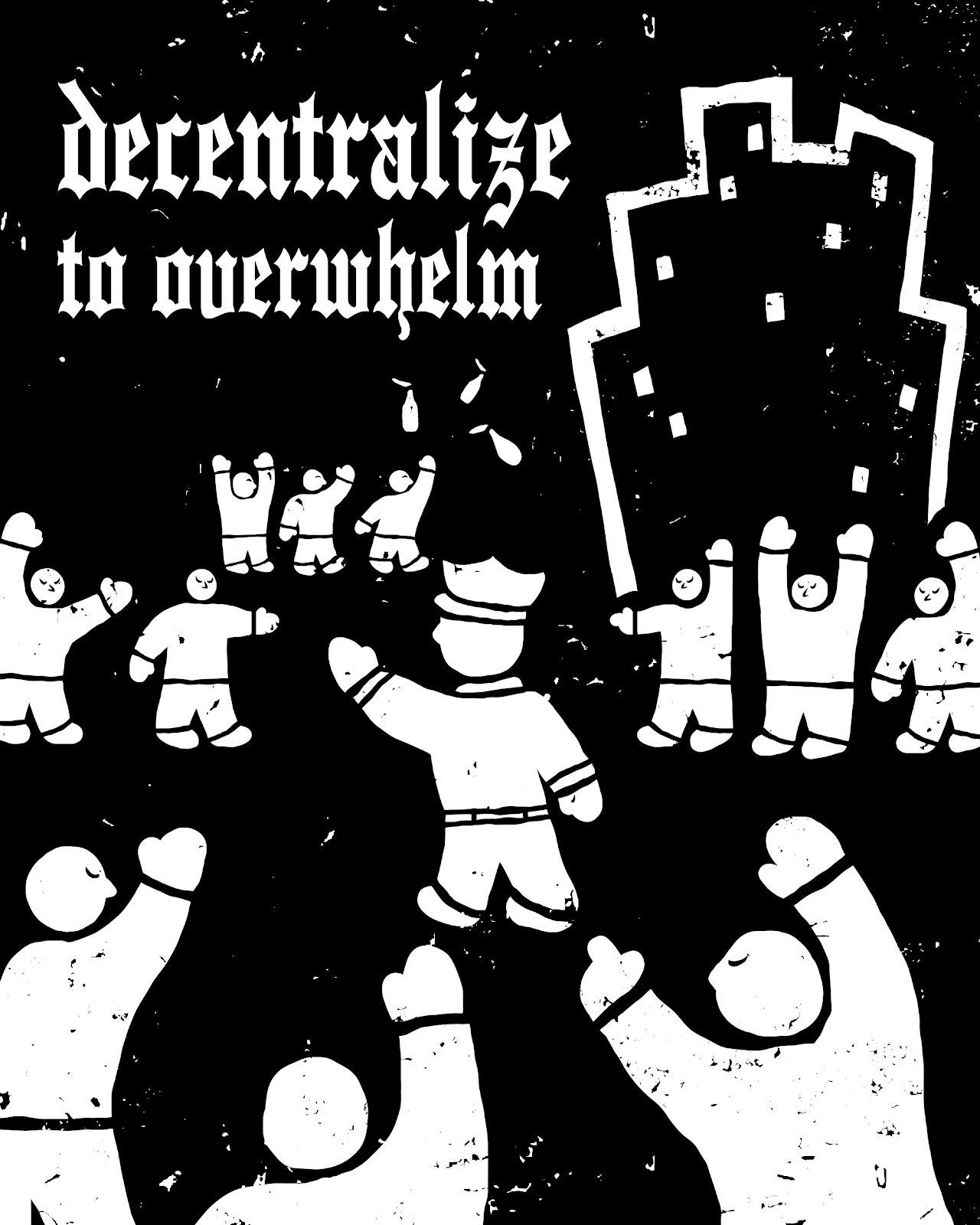
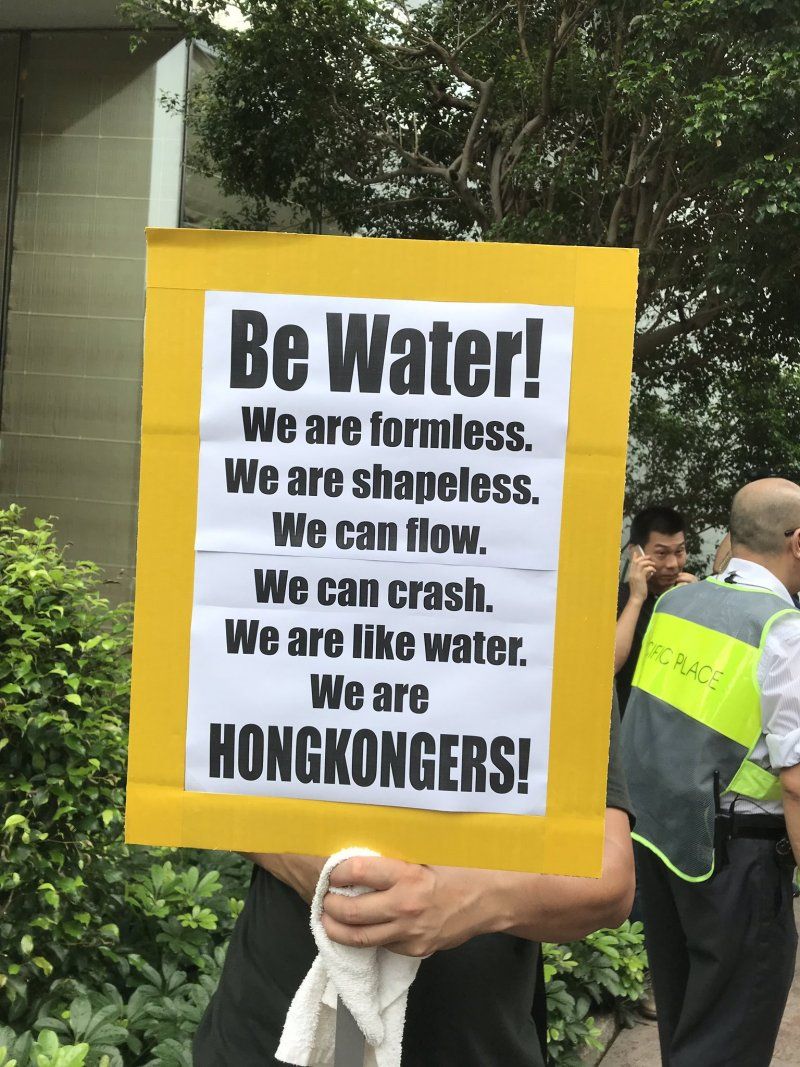
Memes: Need we say more? No, but seriously. Memes are high context packages of compressed information. Because of the compression, they are not good at nuance, but they are uniquely suited towards virality and thus spreading a highly simplified message as far as possible. This is decidedly the movement territory of Internet fluent radicalized gen-zers, though us ancients can participate with some effectiveness as well. Take a complex idea, make it simple and funny. The Right knew the power of trolling and harnessed it to help build the Alt Right Trump phenomenon. What can we do?
[Figure reproduced from PDF p41.]
[Figure reproduced from PDF p41.]
These aren’t really ‘memes’ in the colloquial sense but still relevant: @COMUNITARIAS Twitter R.I.P. on the first image
Run experiments: You can literally just run tests to see what kind of content you can share and what kind will get you suspended or shadow banned. See what posting times work best. Pay attention to analytics like impressions. Constantly share information about these experiments with others. Sex workers are among the most experienced in this form of renegade Search Engine Optimization work, so listen to them.
OSINT or “open-source intelligence” which is a “set of tactics for transparently gathering information about a target (ie far-right or police misconduct) using publicly available sources.
Some of the key areas of OSINT are:
- Info verification
- Social network analysis
- Investigate individuals
- Geo/chrono location
- Archiving
- Google dorking
- Flight/vessel tracking
We can also decentralize physical infrastructure through things like 3d printing, mesh networks and P2P (peer-to-peer) technologies. The risks and positive potentials of P2P technologies, especially with regard to white supremacists, are highlighted in this report called, “The Decentralized Web of Hate” by Rebellious Data. In short, white supremacists are slowly switching to more censor-proof and resilient technologies but that there are many ways that people in the communities are resisting their spread at the level of code and communities. As well the technologies have too many benefits to ignore just because of their dangers.
Some people in P2P communities are using a variety of decentralized tech to create more resilient communication deep in Indigenous and Qilombo territories from the Amazon to the cerrado (savanna) in what is known as Brazil. This is the type of collapse-proof technology that makes networks antifragile and more resilient to the kinds of cascading system collapses we have seen in the COVID-19 pandemic. The antifragility here is both technical and social, combining present technology with Indigenous societies that go back thousands of years of practice in spite of settler brutality. These decentralized infrastructural networks, for example, would simply not be impacted by the previously mentioned targeted attacks on 5G mobile infrastructure by conspiracy theorists or states.
There is a hope that certain communities that are more naturally collaborative (which does not strictly correlate to hyper-collectivism) will be better able to win out in the conflict. This is an optimistic take because it implies that in the long-run those simplistic identities like nations or small fascist collectivities, will be out maneuvered in some important and leverageable ways by those already dedicated to birthing new forms of mutual-aid and collective learning.
Footnotes
Footnotes
-
Information Wars: A Window into the Alternative Media Ecosystem, Kate Starbird, Design Build Use University of Washington, 2017 ↩
-
Bodyhammer: Tactics and Self-Defense for the Modern Protestor, sarin, 2012 ↩